Menu


Free Consultation


A serious workplace injury can affect far more than your ability to perform your current job. For many injured workers, recovery involves medical treatment, physical therapy, vocational training, and learning how to adapt to new physical limitations. Fortunately, Georgia's workers' compensation system provides rehabilitation benefits designed to help injured employees recover and, when possible, return to work.
Understanding what rehabilitation benefits are available—and how to access them—can make a significant difference in your recovery and future earning potential.
What Are Rehabilitation Benefits?
Rehabilitation benefits are services intended to help injured workers regain function, improve their quality of life, and return to suitable employment after a workplace injury.
Depending on the severity of your injury, rehabilitation may include:
● Physical therapy
● Occupational therapy
● Pain management treatment
● Medical equipment and assistive devices
● Vocational rehabilitation services
● Job retraining programs
● Return-to-work planning
The goal is not only to treat the injury but also to help you become as independent and productive as possible following an accident.
Medical Rehabilitation Benefits
Medical rehabilitation is often the first step in recovery after a work-related injury.
Georgia workers' compensation generally covers reasonable and necessary medical treatment related to your injury, including:
Physical Therapy
Physical therapy helps injured workers regain strength, flexibility, balance, and mobility after an injury or surgery. Whether you've suffered a back injury, shoulder injury, knee injury, or another musculoskeletal condition, physical therapy may be a critical part of your recovery plan.
Occupational Therapy
Occupational therapy focuses on helping injured workers perform everyday tasks and job-related duties. This may include improving motor skills, adapting work activities, or learning new techniques to complete essential functions safely.
Medical Equipment
Workers' compensation may also cover medically necessary equipment such as:
● Braces
● Wheelchairs
● Walkers
● Prosthetic devices
● Orthopedic supports
Your authorized treating physician must generally recommend these items as part of your treatment plan.
Vocational Rehabilitation Benefits
Some workplace injuries leave workers unable to return to their previous positions. In these situations, vocational rehabilitation may help bridge the gap between injury and future employment.
Vocational rehabilitation services may include:
Job Skills Assessments
A vocational specialist may evaluate your education, work history, physical limitations, and transferable skills to identify suitable employment opportunities.
Job Placement Assistance
You may receive help locating positions that accommodate your medical restrictions and physical capabilities.
Retraining and Education
If your injury prevents you from returning to your previous occupation, vocational rehabilitation may include training programs or educational opportunities designed to prepare you for a new career path.
Return-to-Work Planning
Many injured workers can eventually return to work with modified duties or accommodations. Vocational rehabilitation professionals may work with employers to develop a safe return-to-work plan.
Who Qualifies for Rehabilitation Benefits?
Eligibility depends on the nature and severity of your injury.
Generally, workers who have sustained a compensable workplace injury and require rehabilitation services as part of their recovery may qualify for these benefits.
The authorized treating physician plays an important role in determining what treatment and rehabilitation services are medically necessary. Insurance companies, however, do not always approve recommended treatment without question.
Unfortunately, disputes can arise when:
● Medical treatment is denied
● Therapy sessions are limited
● Vocational services are refused
● Employers challenge work restrictions
● Insurance carriers dispute the extent of the injury
When this happens, injured workers may need legal assistance.
What Should You Do If Benefits Are Denied?
If your rehabilitation benefits have been delayed, reduced, or denied, do not assume the insurance company's decision is final.
Workers' compensation insurers often scrutinize expensive treatment plans, long-term therapy, and vocational rehabilitation requests. An experienced Georgia workers' compensation attorney can review your claim, gather supporting medical evidence, and advocate for the benefits you need to recover.
The sooner you address a denial, the better your chances of obtaining the treatment and support necessary for your recovery.
Protect Your Right to Recovery
A workplace injury can change every aspect of your life. Rehabilitation benefits exist to help injured workers heal, regain independence, and return to meaningful employment whenever possible.
If you have questions about rehabilitation benefits under Georgia workers' compensation or if your claim has been denied, the experienced attorneys at The Van Dora Law Firm can help. We have spent decades helping injured workers throughout Northeast Georgia obtain the medical care and benefits they deserve.
Contact The Van Dora Law Firm today for a free consultation to discuss your workers' compensation claim and learn about your legal options. 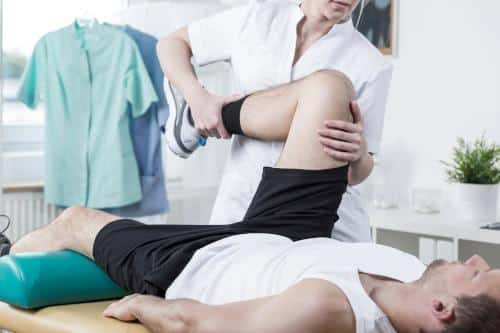

 Share
Share